Perhaps not the best kept secret!; but now it's safe to do so we shall publicly recognise the two great breeding birds of this summer at the reserve. First off big thanks to everyone who has either assisted with working on habitats, monitoring the birds or simply keeping their pictures off the net for the last two months - it is greatly appreciated on all fronts.
Cetti's warblers
Easily audible to anyone who recognises it since March has been the cetti's warbler. This is the second ever time the bird has bred on the reserve - the last being in 2007 on North Marsh. The calls could be heard all over site back in March - this trail camera fortuitously picked up the piercing song which has been the soundtrack to Spring this year:
We think there were two / possibly three singing males back in Spring. One or two on the Lagoons / North Marsh which have since disappeared, and another using the area from East Scrub all the way down to South Scrub. The epicentre of the activity however was the South Marsh West back to back hide where they have bred. Roy Vincent was the first to get a pic:
A question had been hanging over the birds though as to whether there were several on the marshes and scrub or just one ranging male? As luck would have it in the very first ringing session of the Constant Effort Site in South Scrub the male bird was netted back in early May. Details and pictures to follow on James's ringing blog
here. Every picture subsequently taken at the back to back hides showed the bird with a ring - which we assume denotes the same male ranging about as in this pic by
Dave Ware:
And perhaps the best picture by Richard Willison:
Due to its skulking nature it has thrown many people as it will frequently call and a reed warbler will appear. There was some debate as to whether the bird was just a lone male as concerningly every picture was the same ringed bird. Indeed the bird made a repeat visit to the mist net again two weeks ago which seems to have bothered it little as it was back singing at the hide minutes later. However last week we had reports of a bird carrying food in and faecal sacs out which is as good as it gets for breeding confirmation.
Marsh harriers
And this bird is a first for the reserve. In spite of local nests in previous years they had yet breed on the reserve 'til this year. Birds prospecting the river Hull berm were first spotted by the team undertaking hedge laying way back in early March. Before long the birds were carrying nesting material into South Marsh West - again just yards from the cetti's warblers. We think this is largely a reflection of the poor growing year as the birds are thought to have nested in oilseed rape fields in recent years - all of which were stunted or reseeded this spring - therefore the birds came back to nature.
Whilst obviously there are a relatively good number of these birds now, few give views as close as the 50yds the nest is from the back to back hide. Needless to say the pictures we have had back have been stunning - many photographers have graciously kept their photos off the net to avoid attracting unwanted attention to the nest with eggs in, which we kept guarded with trail cameras covering entrance routes. There are a small selection of the best here and more to follow on individual blogs and Flickr no doubt - Roy Vincent:
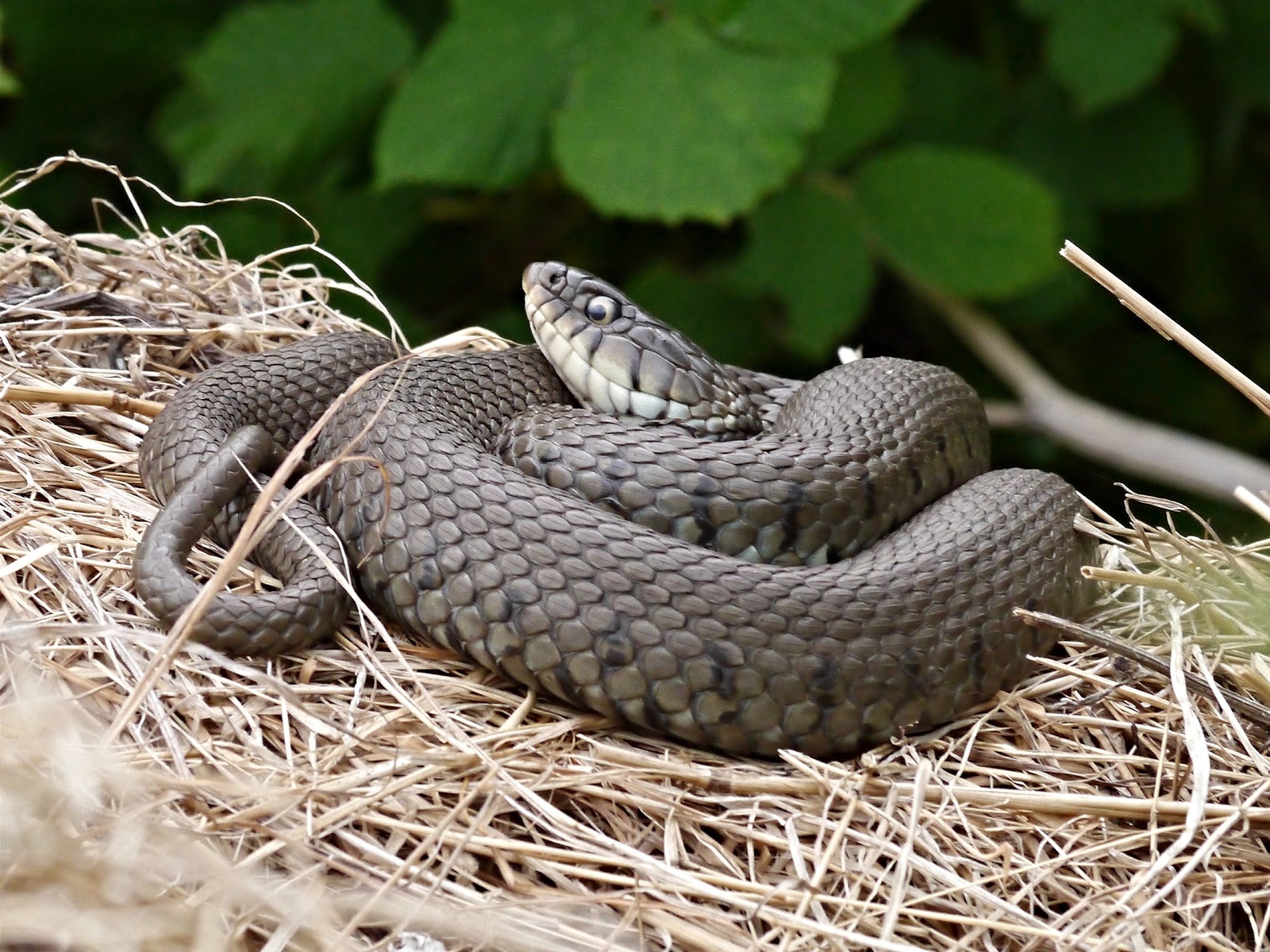
It's been noted that the birds keep bringing material in - even though the chicks have now hatched. This is because the nest is on unstable reeds and is constantly being paddled down. This will continue until they fledge and currently outnumbers feeds by 5 to 1. Much material is being collected from grass snake heaps; and it is some wonder grass snake has not been caught yet. Richard Willison:
Tony Simpson:
Tony McLean (more on his blog
posting):
Of interest and initial concern was that the male is a very immature bird - christened 'toy boy' compared to his somewhat more ragged companion. There was suggestion this combination may lead to infertile eggs and we would be in for disappointment. Tony Simpson:
Prey items to begin with were mainly rabbits in whole or component form generally to feed the female whilst she kept energy up producing and incubating eggs. Richard Willison:
Tony Simpson:
And as a result many photographers managed the stunning food pass shot. Roy Vincent - brown rat:
And water vole:
And Tony Simpson - rabbit:
We could only guess at the laying date of the eggs, but a surprise came when the female then started leaving the nest and the male bringing small items in direct on Friday the 14th. Thanks to Pete Short at Blacktoft for his pointers that this was a good sign the eggs had hatched. No sooner had this happened than they were nearly lost. Photographers in the hide reported hearing a heron calling in the marsh, and on appearance of the female harrier a big scrap ensued which culminated in the unseen heron taking flight from the nest location. A tense couple of hours ensued; had they been eaten? Luckily the arrival of a vole in mums talons stimulated a barely audible chirruping - confirming the chicks had both hatched and at least two were alive.
Harriers aren't always welcome in these days of regression in attitudes to birds of prey - so for going public we wanted to convey the observations we were making to help the birds wider cause; that prey items were mainly rabbits, water voles and water bird chicks with no game predation. As such we have installed a register in the hide to record prey items returned. Obviously not all items are identifiable and this chart does not reflect unidentified - but in the first 9 days since hatching this is what we have found:
There is more of a bias towards small items at the moment but we guess this will rapidly return to slabs of rabbit as they grow on. Interestingly the volume of prey is quite small. Tony Simpson stayed in the hide from 3.30am last week until 15:30; And during that twelve hour period only 2 food items were returned - which is consistent with literature stating 5-8 prey items a day. Tony McLean:
We anticipate (threats like swimming foxes, mink, otters and herons permitting) that the young should fledge around the 15th to the 20th of July - and should then be visible hopping around the marsh for two weeks to follow.
Great news indeed and if anyone wants to see them we'll be running guided walks down to the hide on Saturdays and Sundays at 2pm each Saturday and Sunday until the 21st of July - meet in the car park free with standard admission.
In similar news we also suspect that two families of otters are on the go at the moment - one being in the shadow of the same hide yet again - a mother and two cubs. Andy Marshall got this picture of the female gathering bedding presumably being carried into the volunteer built holt three years ago:
A great testament to all the hard work put in by our volunteers - great to see rewards for labours!: