A lot's changed in 6 weeks; Not so long ago it looked like a trip to find the northwest passage:
The volunteers at Tophill bravely voyaging to hand weed breeding islands ready for the return of breeding birds back in February. Perhaps the snowiest snow of winter was briefly captured on the paths around the new reception hide:
And this made it all worthwhile for the reserve's ermine stoats who got a good half hour of camouflage this winter - Steve Hines:
Now largely reverted to standard colour scheme - Brian Colley:
There is a strong suggestion that they may have a den under one of the root piles near the new pond - time will tell...
Their bigger cousins have been glimpsed regularly - Richard Willison:
And Josh Harrison:
But its the very showy kingfishers that have been the show stealers of late - spoilt for choice with cracking pictures - Brian Colley:
Johnny Pang:
Roy Lyon:
Richard Willison:
Tony Simpson:
And Colin Powell:
Likewise amorous barn owls cavorting in the undergrowth - Darren Smith:
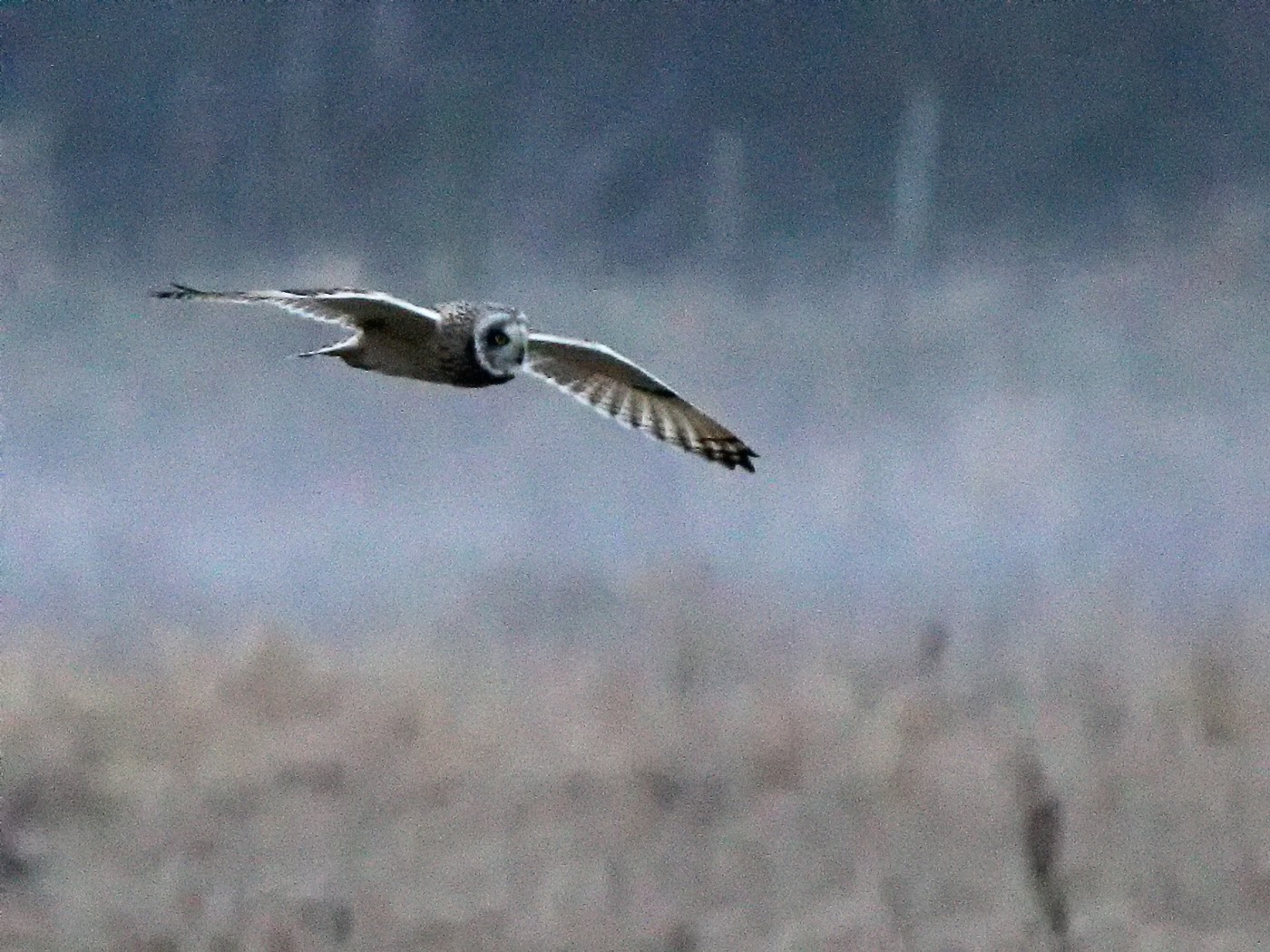
Keep an eye out too for the short-eared owls - still on the go this morning on the approach road.
A sneak peak of the new barn owl nest camera - currently under trial operation:
Some visitors have had chance to have a peek in the new reception hide at the reserve. Whilst we're not officially open until the weekend of the 17th and 18th of June we have been putting it through its paces to see how it works and what tweaks we need to make. This will continue during this commissioning period - but please don't bank on it being open until this point whilst we are fitting out and prepping - some great night shots by Rob Worsfold (remember you do need to be a member to visit the reserve between 6pm and 9am):
We've also trialled the first educational visit to the reserve:
Aimed at key stage 2 junior school groups it gives children the chance for environmental education on Wednesdays in term time, including looking at birdlife and its adaptations, invertebrates, pond dwellers and plant-life all in dedicated new facilities:
It's already proved very popular and for enquiries and bookings please see the full details
here.
A great seal of approval for many hours spent constructing the new pond dipping platform:
Part of this commissioning work also included greening the earthen banks for the disability access ramps. As such 900 trees have been planted with great thanks to the William Jackson food group whom donated and planted them:
We've put an eclectic mix of species in to attract nesting and feeding birds and insects - it'll take around five years or so until they start to look something like but a great start. A variation in species is very timely, as just yesterday we seemingly discovered the first ash dieback on the reserve. Not unexpected - and in many ways long overdue given its been logged within eyeshot of the reserve for the last two years. Unfortunately the first showing of distinctive diamond shaped lesions around branch unions on young ash saplings, untimely death and brittle deceased twigs:
Given these were in an unwanted position below the L hide we were intending to clear anyway, they all ended up on the bonfire:
A futile gesture given it'll already be embedded on site. We shall just have to see how it unfolds and changes what is a very ash dominated site in coming years. Hopefully though it at least brings the sand martin colony into operating condition and gives it a fighting chance for the newly returned birds.
The first sand martins arrived on March the 17th with up to 70 present by yesterday.
Preceding the summer specialists though were the winter birds - and chief of which was the huge influx of white winged gulls - iceland and glaucous - such as this captured by Karen Williams:
It represents the finest throughput of these birds since 1981 at least and more than likely ever. Chiefly observed by Martin Hodges there is a great write up on his blog
here. This has apparently subsided now but a few nice Mediterranean gulls appearing - how long before we see them nesting alongside the black headed gulls? - Martin Hodges:
Whilst it may be hotting up a timely reminder it's still grim up north - Goldeneye still active displaying on the reservoir rather than risking an early departure - Brian Colley:
A trait shared by curlew still present - Mal Jones:
Goosander - Erich Hediger:
And the long staying long-tail - Pat Hogarth:
Joined recently by a more summery companion - drake red crested pochard seemingly back to breed on South Marsh East:
Just dropping by are pintail - Brian Colley:
And Michael Flowers
Back on south marsh now too are the little ringed plovers, joined in the tree tops by chiffchaffs a plenty, and as of yesterday multiple willow warblers. Not breeding this year will be this black headed gull:
Nobbled no doubt by one of the wintering peregrine around site as captured by Frank Moffatt:
Likewise also not fairing well this season Mr Toad - pics from Tony McLean:
The rarest bird of the last six weeks? Likely this rock pipit courtesy of Martin Hodges - an uncommon passage bird at Tophill Low:
So spring all the way now and all the excitement begins! As such the perfect time for a new membership - prices remain the same at £25 for adults and £17 for concessions.. All old cards expire on the 31st of March so if you still have one with the stoat on you need a new one this month!
This brings us on to the subject of the card designs for 17/18. As ever I scoured the blog, facebook and flickr groups for an array of images that would work well when cropped for a card design. As such the following shortlist was devised:
Cuckoo Tony McLean:
Four spotted chaser Adam Carter:
Grey Heron Roy Vincent:
Kingfisher Chris Bell:
Little egret Roy Vincent:
Sparrowhawk Darren Smith:
Spoonbill Maurice Dowson:
Tawny Owl Alan Walkington:
Wrens Pat Hogarth:
As always the compilation was sent across anonymously to head office at Bradford for the popular vote - and this years winner was... Speckled Wood by Jeff Barker
So get yours now! All details on the membership tab above by return of post or drop by the reserve office or reception hide most days:
A note too that day admission will be increasing to £3.50 for adults and £1.80 for concessions for this season. As ever all admissions info on the 'visiting' tab above.